

There are trips where you come home needing another vacation. Three cities in four days. A two-hour drive just to take a photo. Eating quickly because you have another tour booked for four o’clock. Arriving at your lodging, sleeping, and starting all over again. The slow travel offers exactly the opposite. Traveling without rushing, staying a little longer, and stopping measuring a trip by the number of places we’ve managed to check off the “must-see” list. It means shifting into a lower gear. Strolling through a town without constantly checking Google Maps, going back to that restaurant we liked, visiting the market, spending an afternoon by the sea, or changing plans simply because we’re perfectly content right where we are.
Catalonia is a particularly interesting region for this style of travel and way of life. The sea, mountains, cities, towns, and local cuisine are all within relatively close proximity. And if you’re exploring the region in a camper, trailer, or motorhome, Camping El Toro Azul is the perfect destination to enjoy at your own pace.
What Is Slow Travel?
The slow travel, also known as “slow tourism,” is an approach to travel that prioritizes experience over the number of places visited. The idea is quite simple: do fewer things, but enjoy them more fully. So, instead of trying to visit five towns in a day, we can choose one and explore it thoroughly. Or instead of constantly changing accommodations, we can relax for several days at the one we like so much. And compared to itineraries organized down to the minute, the joy of improvisation is priceless.
What is the origin of slow travel?
The origins of slow travel is linked to the Slow Food movement, which emerged in Italy in the 1980s as a response to the rise of fast food and the loss of local culinary traditions. Over time, this philosophy—based on slowing down, valuing what’s local, and enjoying experiences at a more leisurely pace —spread to other areas, including tourism.
In fact, a study published in *Tourism Management Perspectives* explains how the Slow Food movement subsequently gave rise to initiatives such as Cittaslow and slow tourism itself. This has led to a way of traveling that, in essence, encourages us to slow down so we can better connect with the places we visit.
Advantages of Slow Travel Over Fast-Paced Tourism
Traveling more slowly doesn’t mean we make less of the most of our time. In many cases, the opposite is true. We enjoy each place more fully, reduce the fatigue that builds up along the way, and pay closer attention to our surroundings. Compared to itineraries packed with schedules, transfers, and back-to-back visits, slow travel is about trading quantity for quality.
Traveling more slowly helps us unwind
One of the benefits of slowing down is that it doesn’t just change the number of places we visit. It can also change the way we experience those days. Not having to constantly stick to a schedule, drive for hours, or rush to the next destination leaves more room to rest, improvise, and pay attention to where we are.
In this regard, a study published in the *Annals of Tourism Research* on the values associated with slow tourism also highlights its therapeutic value, linked to psychological restoration and relief. And it makes perfect sense. Strolling without watching the clock, spending a morning by the sea, reading, eating at a leisurely pace, or deciding that we won’t leave that day—that we’ll stay one more day…—are all part of the journey.
Less movement and less of a feeling of rushing
One of the biggest enemies of a relaxing trip is that feeling that, since we’re already there, we have to make the most of it and see absolutely everything. And that rarely works out. The more we cram into our itinerary, the more time we end up spending on the road, in parking lots, or in endless lines. Yes, we get to see a lot of places, but we barely have time to enjoy them.
Slow tourism offers us a different perspective on things. What if, instead of seeing more places, we tried to get to know the ones already close to us better? Staying in the same place for several days will allow us to discover how the charm of a beach changes completely in the morning and at sunset. Or to stumble upon a delicious restaurant that we almost missed. Or to explore that little town that wasn’t even on our original itinerary. In short, it allows us to notice the magic in the little things—which are what bring us happiness.
Oh, we almost forgot! Another advantage of slow travel is that it also lets you do something that seems almost forbidden on vacation: doing nothing for a few hours. Why not?
A More Sustainable Way to Travel
The slow travel and sustainable tourism aren’t exactly the same thing either, but they have a lot in common. Staying longer in one area reduces travel, makes it easier to use public transportation, and ensures that a larger portion of our spending goes to local restaurants, markets, and small businesses.
If, instead of treating a destination merely as a place we pass through, we decide to stay, that also changes the way we relate to it.
More time to experience local life
Sometimes we remember an impromptu meal better than the monument we went out of our way to see. Buying fruit at a market, sitting at an outdoor café, strolling along the boardwalk at the end of the day, popping into a small shop, or trying a seasonal product—that’s also what traveling is all about.
Slow tourism brings back precisely those everyday moments that tend to disappear when your itinerary is packed with schedules. Because not every day needs a big plan.
Why Traveling in a Camper or RV Fits the Slow Travel Philosophy
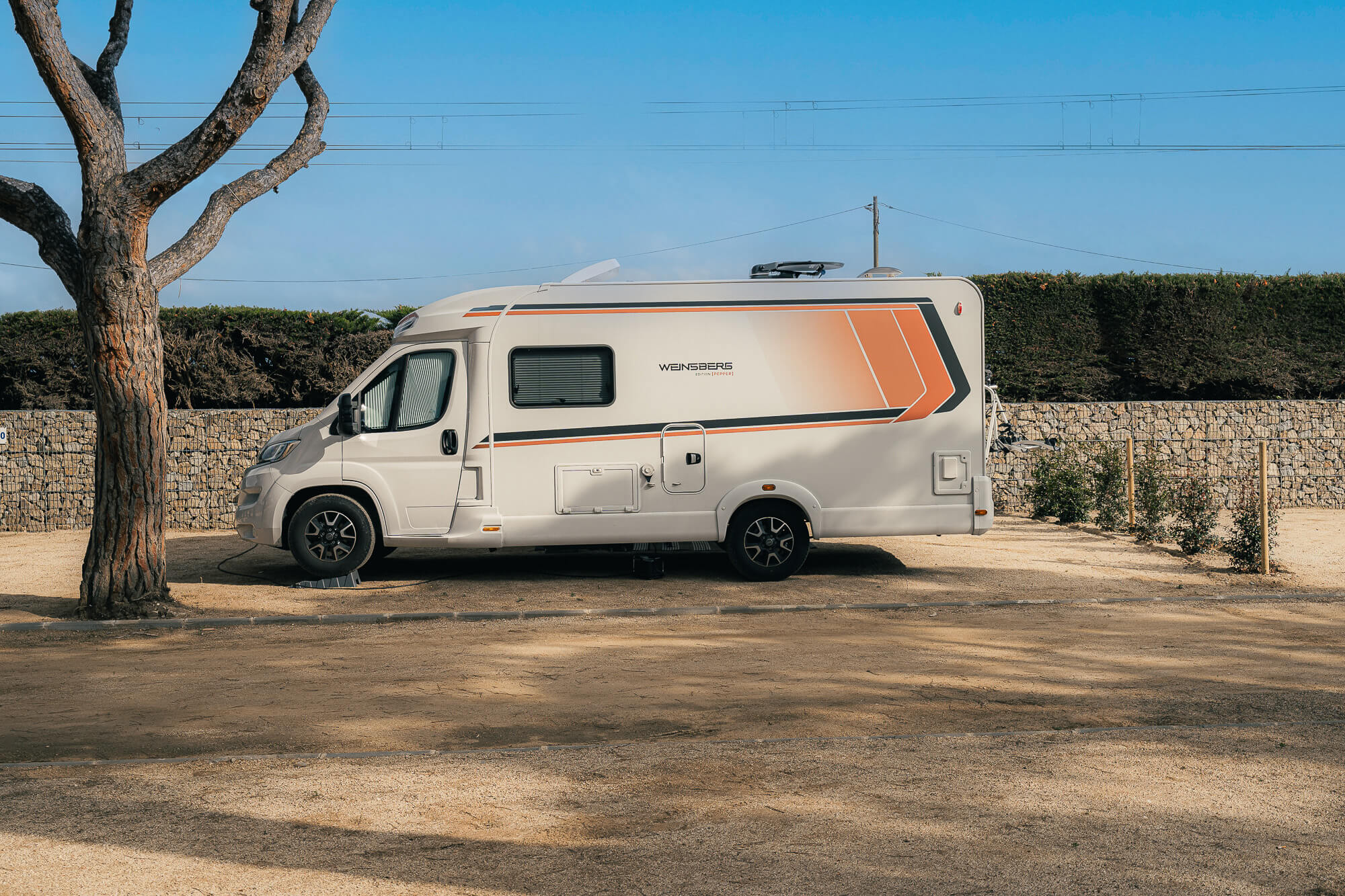
Probably because few other ways of traveling allow you to change your plans so easily. Whether traveling in a camper, trailer, or motorhome, we can take shorter legs of the trip, stay at the same campground for several days, and continue our journey whenever we really feel like it.
There's no need to look for a new place to stay every night or to adjust our entire itinerary to fit consecutive reservations. If we find a place where we feel comfortable, that's where we'll stay.
So if you happen to be planning a road trip around the peninsula, we encourage you to check out these tips for enjoying Spain in a motorhome, where we discuss planning, roads, overnight stays, and other useful information before hitting the road.
How to Experience Slow Travel in Catalonia
Catalonia has an advantage for those who want to travel at a leisurely pace. Within relatively short distances, you can experience the Mediterranean, the mountains, cities, towns, tradition, and cuisine.
Choose a good base and minimize travel
Sometimes, getting to know a destination better starts precisely by not moving to a different place every day. Choosing a base for several nights gives us the opportunity to take short excursions on foot or by bike, use public transportation whenever possible, and also set aside days to rest.
If we travel the route in a camper, trailer, or motorhome, having a campground that’s open year-round also gives us more freedom to plan our trip outside of peak season and stay for several days when we find a place where we feel at home.
In addition to cutting down on the distance, we no longer have to constantly get on and off. That’s something you really appreciate when traveling on four wheels.
Food, walks, and leisurely activities
Practicing slow travel doesn't require seeking out extraordinary or out-of-the-ordinary experiences either.
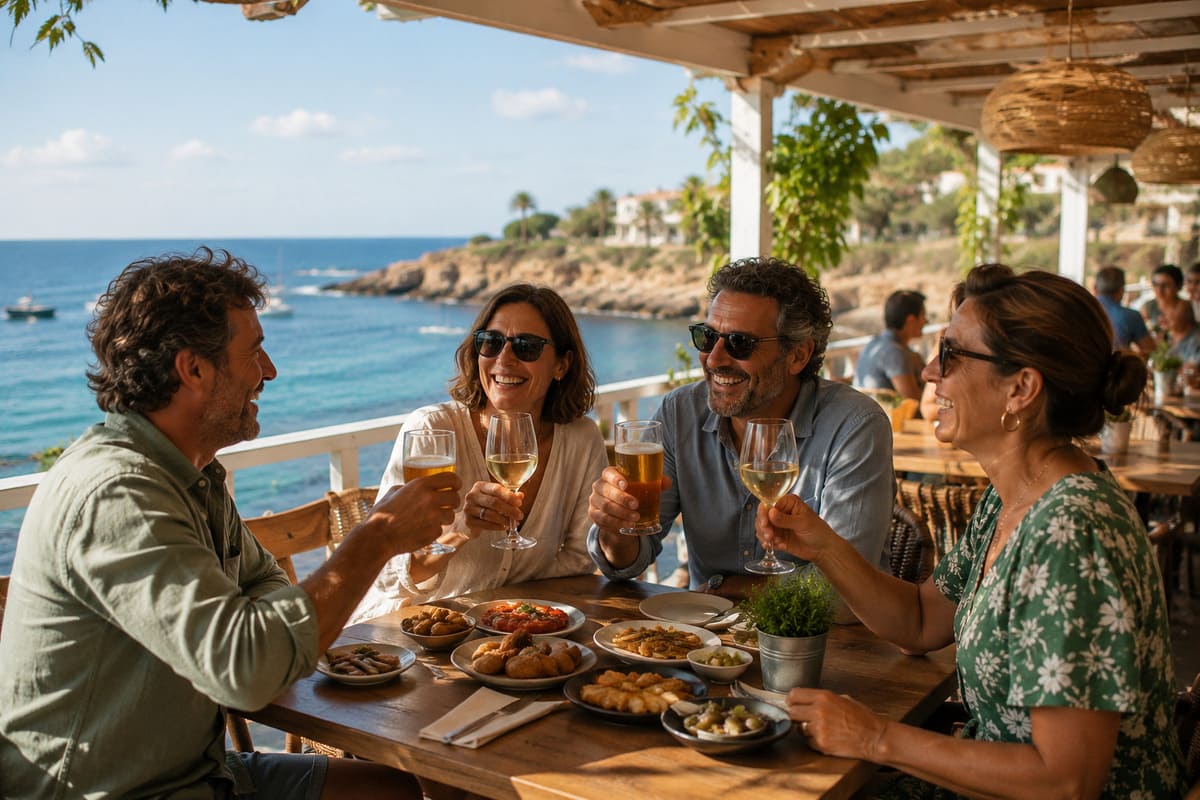
All it takes is a stroll through a market, taking in its aromas and vibrant colors… Sampling the local cuisine at a quaint little bar… Walking along a coastal path or barefoot by the sea… Visiting a nearby town and discovering hidden corners… Or sitting by the Mediterranean and watching the spectacle unfold, with no other plans for that afternoon.
That is precisely where much of its appeal lies: leaving room for the things we hadn't planned for but feel like doing at that very moment.
The Maresme: A Strategic Stop for Exploring Barcelona and the Coast
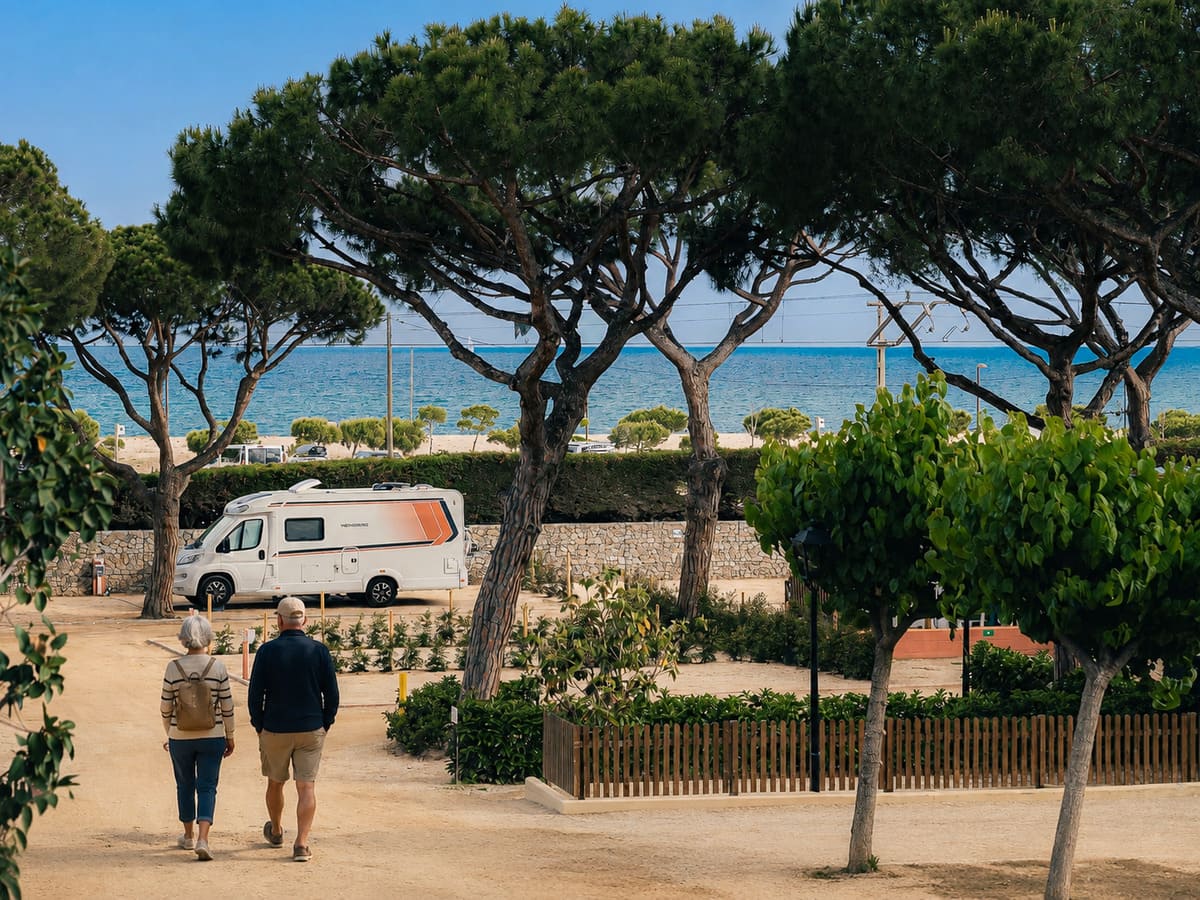
The Maresme Coast is in a particularly convenient location if you want to enjoy the Mediterranean without straying too far from Barcelona.
Arenys de Mar is located approximately 40 kilometers from the city and is well connected by public transportation. This means you can park your camper, trailer, or motorhome there and plan a variety of activities without having to travel very far.
One day it might be Barcelona. Another day, a stroll along the sea. The next, a nearby town. And then you might just feel like taking it easy. In our guide to things to do on the Costa del Maresme, you’ll find beaches, towns, and other ideas to help you plan those relaxing days and make the most of everything this stretch of the Catalan coast has to offer.
Slow Travel in Barcelona: Another Way to Explore the City
Yes, we realize that Barcelona seems to invite you to do exactly the opposite. There’s the Sagrada Familia, Park Güell, La Rambla, the Gothic Quarter, the beach, museums… And all of that, if possible, before dinner.
How about, instead, spending a day exploring one or two neighborhoods, strolling through markets, or simply taking a leisurely walk —and then returning to your beachfront retreat to rest as you deserve? And whatever you don’t get to do? Save it for another day. Because from Camping El Toro Azul , the city is right at your fingertips—but without the stress.
Staying outside the city center will let you enjoy the best of both worlds. Visit Barcelona whenever you feel like it, then return to a more peaceful setting by the Mediterranean. That, too, is Barcelona slow travel.
Travel Slower: Travel Better
Slow travel doesn't force you to travel fewer kilometers or give up on long routes either. It simply changes the way you approach them.
Drive fewer hours each day. Stay for several nights. Shop locally. Walk. Leave some gaps in your itinerary. Enjoy doing whatever you feel like doing at that very moment—no plans, no schedules, no stress.
At Camping El Toro Azul, we offer sites for trailers, motorhomes, and campervansright on the beach, with public transportation access to Barcelona.
You can stop for one night and then continue on your way. Or stay a few more nights—as many as you like. That, too, is traveling at a leisurely pace.
Welcome to El Toro Azul Campground!