

Traveling through Spain in a motorhome isn’t just about choosing a destination and hitting the road. Anyone who travels with their home on wheels knows that a great experience depends on many small decisions: how many kilometers to drive each day, where to spend the night, what to check before entering a new area, or how to approach a major city without running into trouble with the vehicle.
Spain is a wonderful country for this kind of trip. It has coastlines, mountains, quiet villages, historic cities, back roads, local cuisine, and campgrounds where you can rest before continuing on your way or settling in for a few days. But precisely because of all this, it’s best not to try to see it all.
The key is to plan your trip calmly, choose each leg of the journey carefully, and leave a little room for improvisation. From Camping El Toro Azul, on the Maresme Coast, we’re sharing some helpful tips to help you plan your route and enjoy the journey even more.
Before leaving
Plan for what's important, not every minute
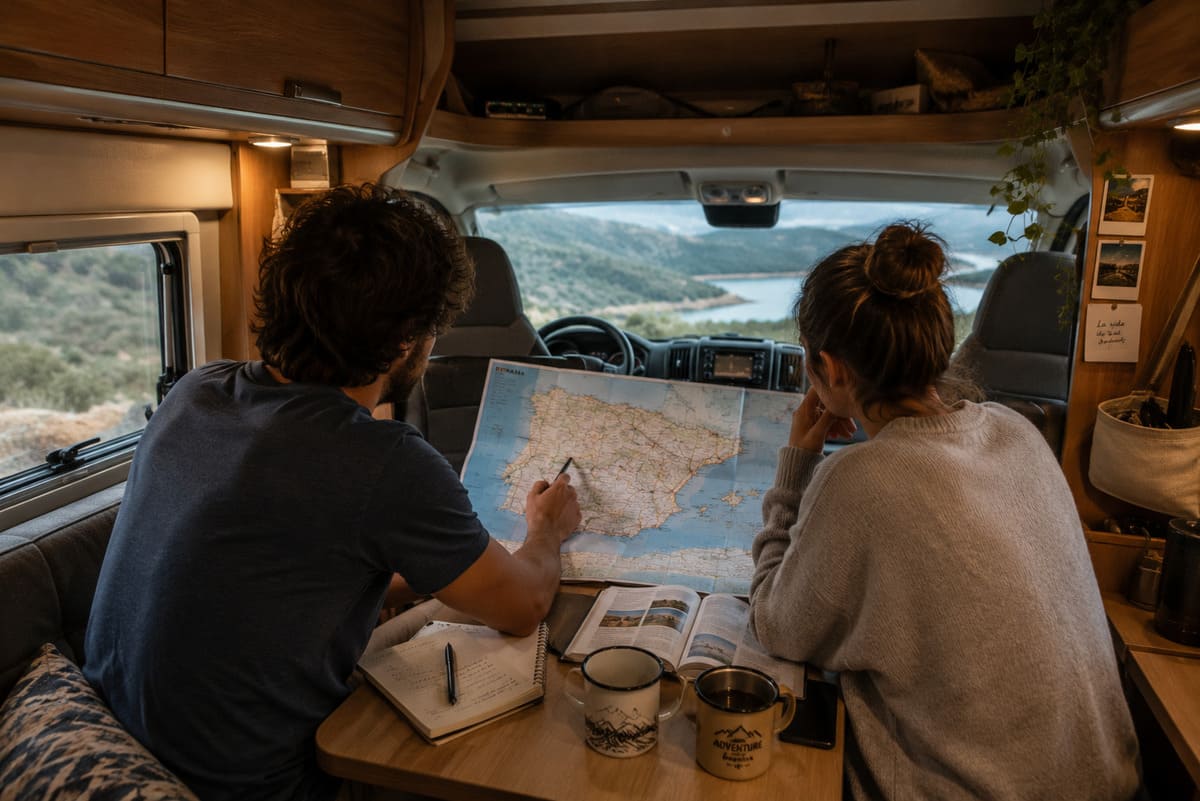
One of the most common mistakes when traveling through Spain in a motorhome is planning your route based solely on kilometers. On a map, a leg of the trip may seem straightforward. But we all know that driving on a highway is not the same as navigating mountain roads, entering small towns, traveling through coastal areas during peak season, or entering major cities.
Before wrapping up a day on the road, consider your actual driving time, daylight hours, and the time of year. And don't forget what you'll need that day: rest, shopping, emptying tanks, filling up with water, doing laundry, or simply getting a good night's sleep.
You don't have to have everything planned out, but you should have a clear idea of the areas where you can sleep safely and the alternatives available if your plans change.
Campground, RV park, or parking lot
It's not the same thing
When you're traveling by motorhome, camper, or trailer, not all places where you can spend the night offer the same amenities.
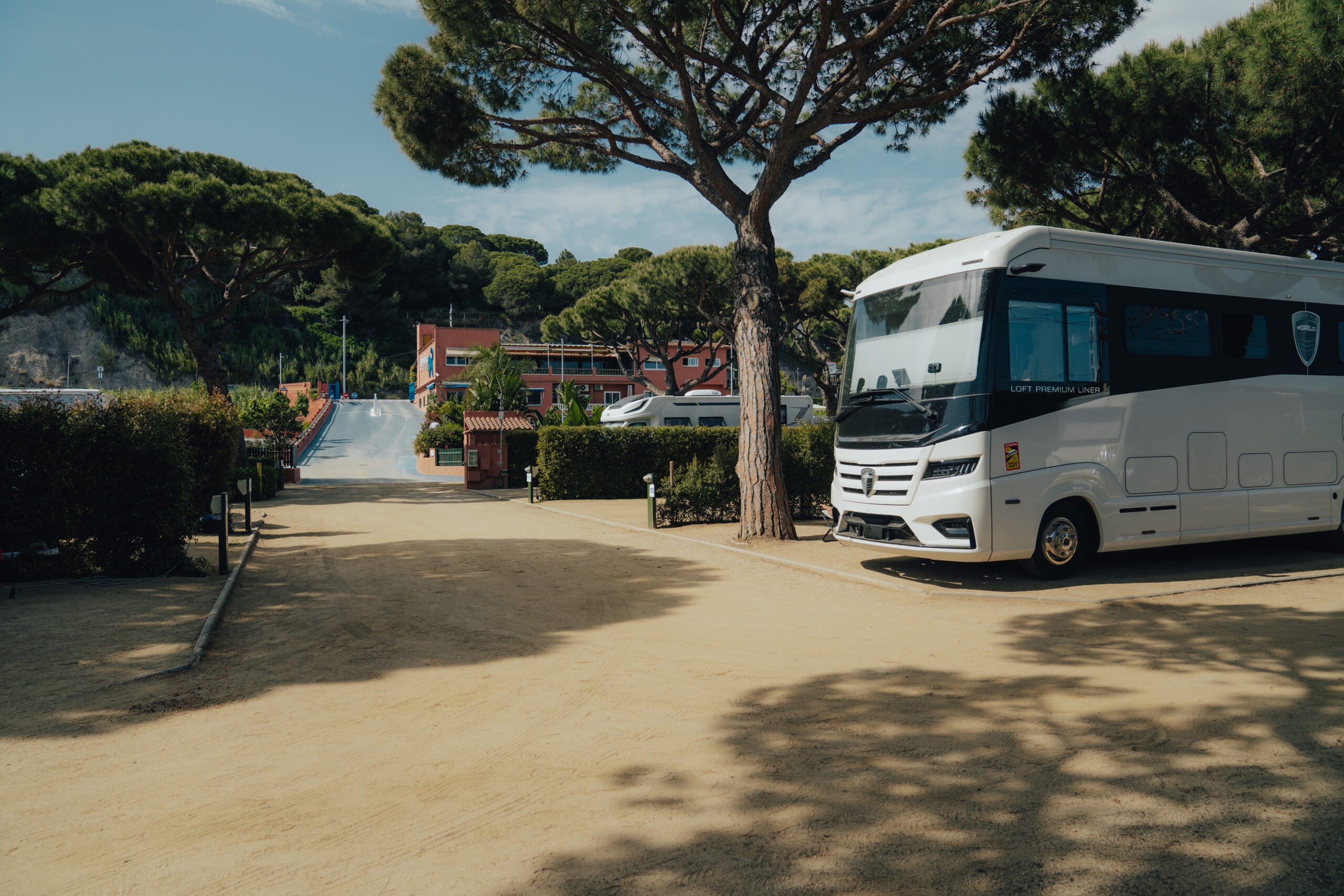
A parking lot can be used for parking if it’s permitted, but you can’t always stay overnight, much less set up outdoor equipment. On the other hand, a motorhome area is usually designed for sleeping and, in some cases, for emptying gray or black water and refilling water. In contrast, a campground with an area for campers or motorhomes offers a more complete experience: a campsite, restrooms, showers, electricity, shared facilities, and an environment designed for relaxing for several days.
The truth is that on a long trip, this difference really stands out. Sure, you can use a rest area for a quick overnight stay. But if you want to cool off, do some laundry, relax in the shade, take a dip in the pool, or spend a few days in the mountains or by the sea, a campground usually offers you more flexibility and peace of mind.
Parking, Overnight Stays, and Camping
Always check local regulations
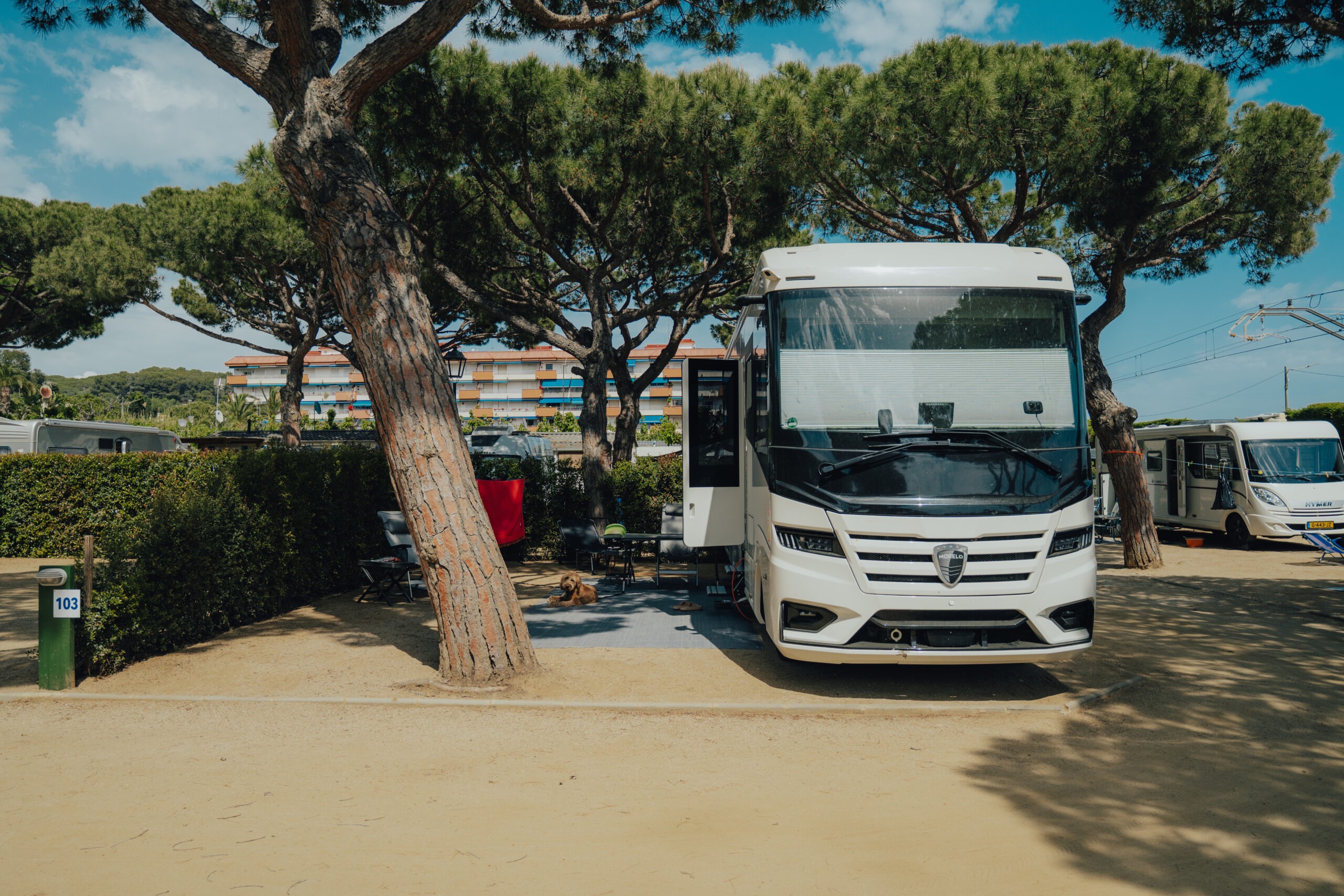
One of the most common questions when traveling through Spain in a motorhome, trailer, or camper is the difference between parking and camping. Generally speaking, parking means leaving the vehicle parked where it is permitted, without taking up any more space than the vehicle itself. Camping involves setting up items outside the vehicle, such as tables, chairs, an awning, stabilizer legs, or other items that extend beyond the vehicle’s perimeter.
According to the update to the DGT’s Motorhome Guidelines, motorhomes may generally stop and park under the same conditions as other vehicles, although they must always comply with municipal regulations and signage. In addition, local governments may limit parking times and prohibit camping outside authorized areas.
That’s why, before spending the night at a spot you’ve seen on an app or forum, it’s a good idea to check whether overnight stays are actually allowed and whether there are specific signs posted by the local municipality. When in doubt, it’s best to choose a campground or a designated camping area.
What to Look for Along the Route
Apps, forums, official websites
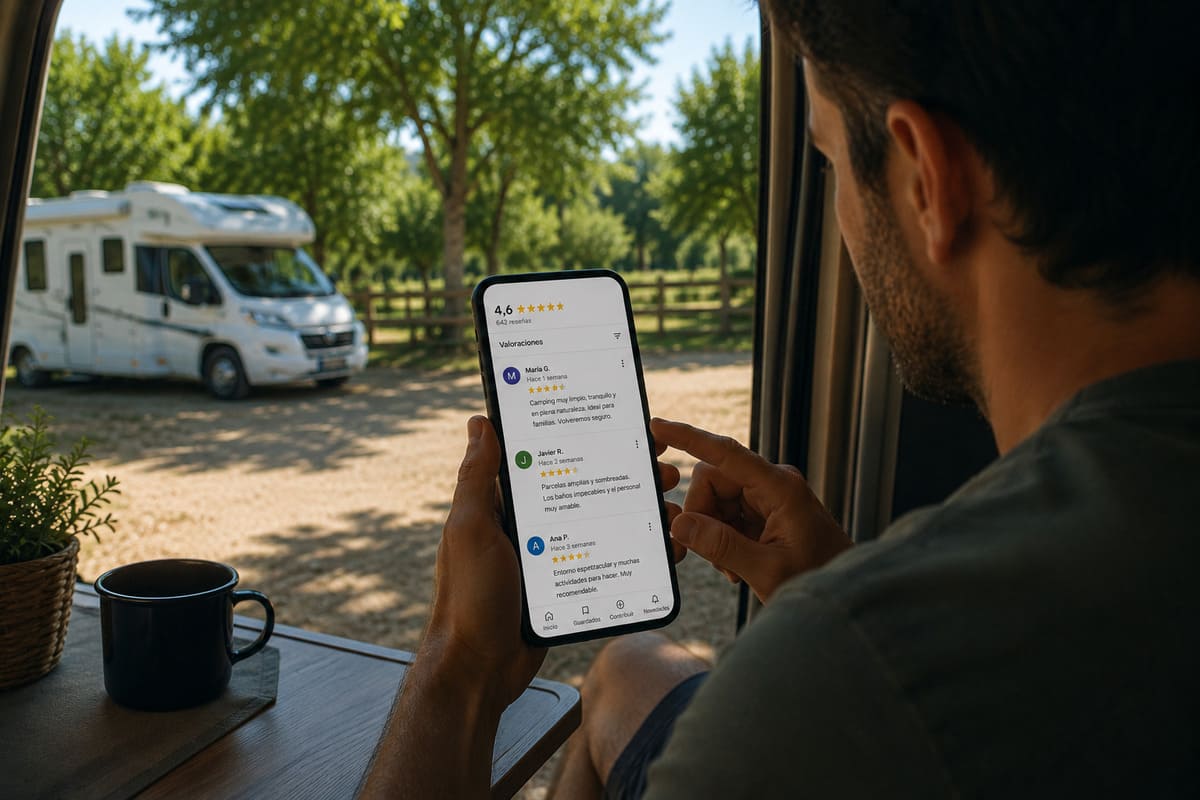
Apps are very helpful, but they shouldn't be your only source of information. Before deciding where to stay or which route to take, it's a good idea to cross-check information. Platforms like Park4Night or Campercontact can help you find campgrounds, rest areas, service points, and places recommended by other travelers. Campercontact states that it has more than 60,000 locations for RVs, and Park4Night describes itself as a community with an app for iOS and Android.
Even so, always check:
- Recent comments, not just the overall rating.
- Date of the most recent review.
- Actual photos of the entrance.
- Available services: waste disposal, water refill, electricity, showers, laundry.
- Signs upon arrival.
- Noise, safety, and ease of maneuvering.
- Official website of the campground, park, or city hall.
It's also helpful to check the DGT's official map before heading out, especially if traffic, road closures, or incidents are expected. The DGT always provides up-to-date information on traffic conditions and incidents.
And if you're traveling in the summer, winter, or to mountainous areas, check the AEMET advisories. Its Meteoalerta system provides information on severe weather conditions up to 72 hours in advance.
Roads and access routes to check before entering
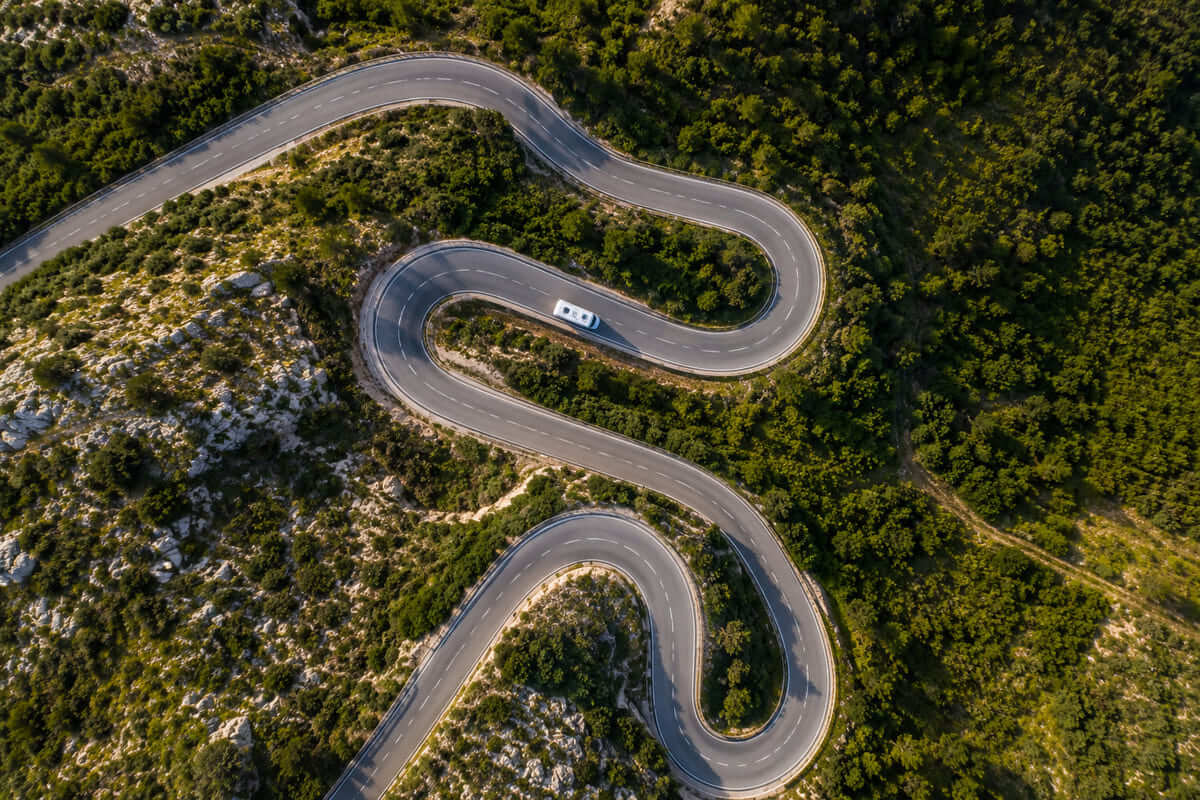
Spain has some beautiful roads, but not all of them are equally pleasant to drive on with a large motorhome or trailer. Before entering a new area, it’s worth checking the access routes carefully if you’re going to be traveling through:
- Mountain passes in winter: due to snow, ice, snow chains, or road closures.
- Secondary roads with sharp curves, steep grades, or few pull-offs.
- Historic town centers with narrow streets, low balconies, and winding paths.
- Coastal roads in August: due to heavy traffic, limited parking, and congested access roads.
- Unpaved trails or roads, even if they're recommended by an app.
- Covered or underground parking garages, by maximum height, ramps, and maneuverability.
A small detour can save you from one of those awkward situations that GPS systems sometimes seem to love throwing at you. And when you're traveling in a tall, wide, or long vehicle, arriving safely is usually more important than taking the shortest route.
Large cities: It's best to choose a nearby base
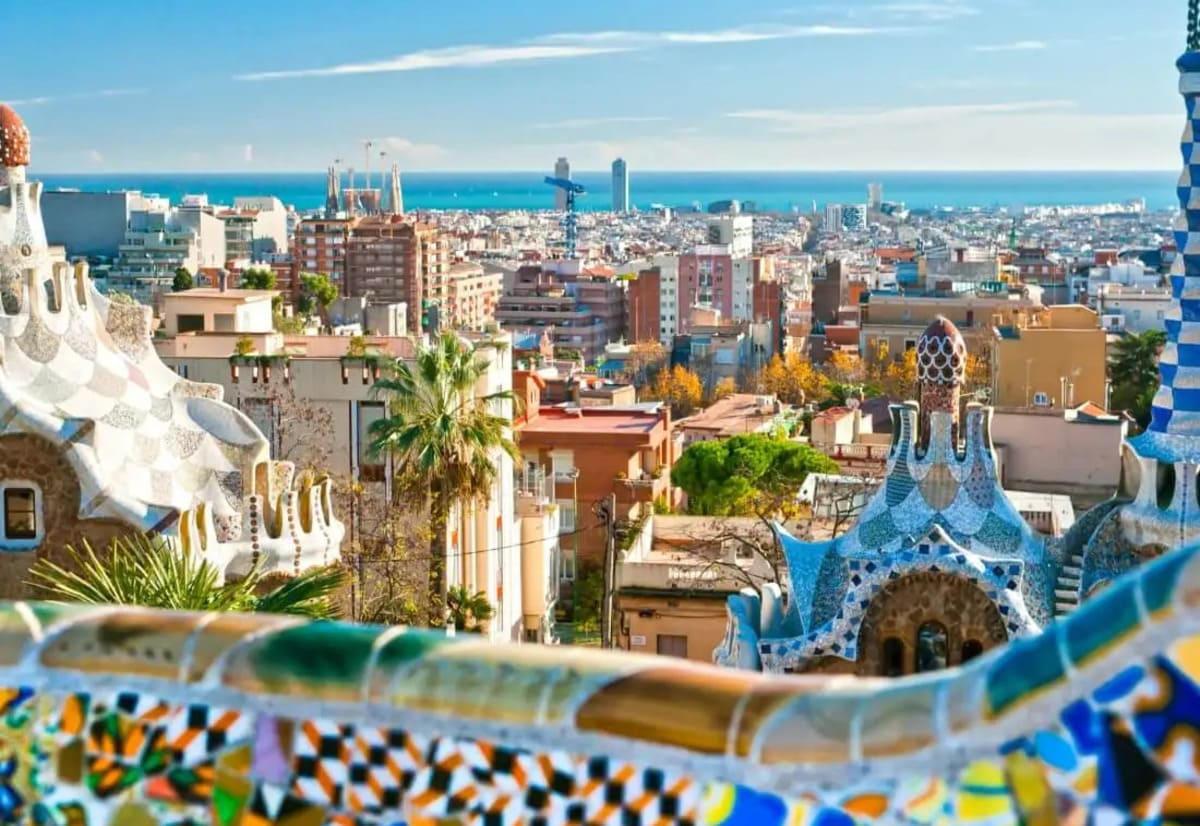
If you want to visit cities like Barcelona, Valencia, Seville, Granada, Madrid, or Bilbao, it’s almost never worth driving your RV all the way into the city center—assuming it’s even allowed. Traffic, low-emission zones, parking lots, tight turns, and a lack of space can make your visit less than pleasant.
It's often better to choose a campground in a convenient location nearby and then get around by public transportation, taxi, or bike. That way, you can enjoy the city without having to worry about your car.
This is especially useful if you want to stop by Barcelona during a road trip through Catalonia. You can spend the night by the sea, relax at a more leisurely pace, and visit the city without having to drive your RV into the city center. Where? At Camping El Toro Azul, half an hour from Barcelona and right on the beach.
Choose a region based on the time of year
The time of year has a big impact on a motorhome trip through Spain. In the summer, especially along the Mediterranean coast, in the interior, and in the south, it’s best to drive early in the morning, avoid the middle of the day, and look for places with shade, a pool, or a beach nearby.
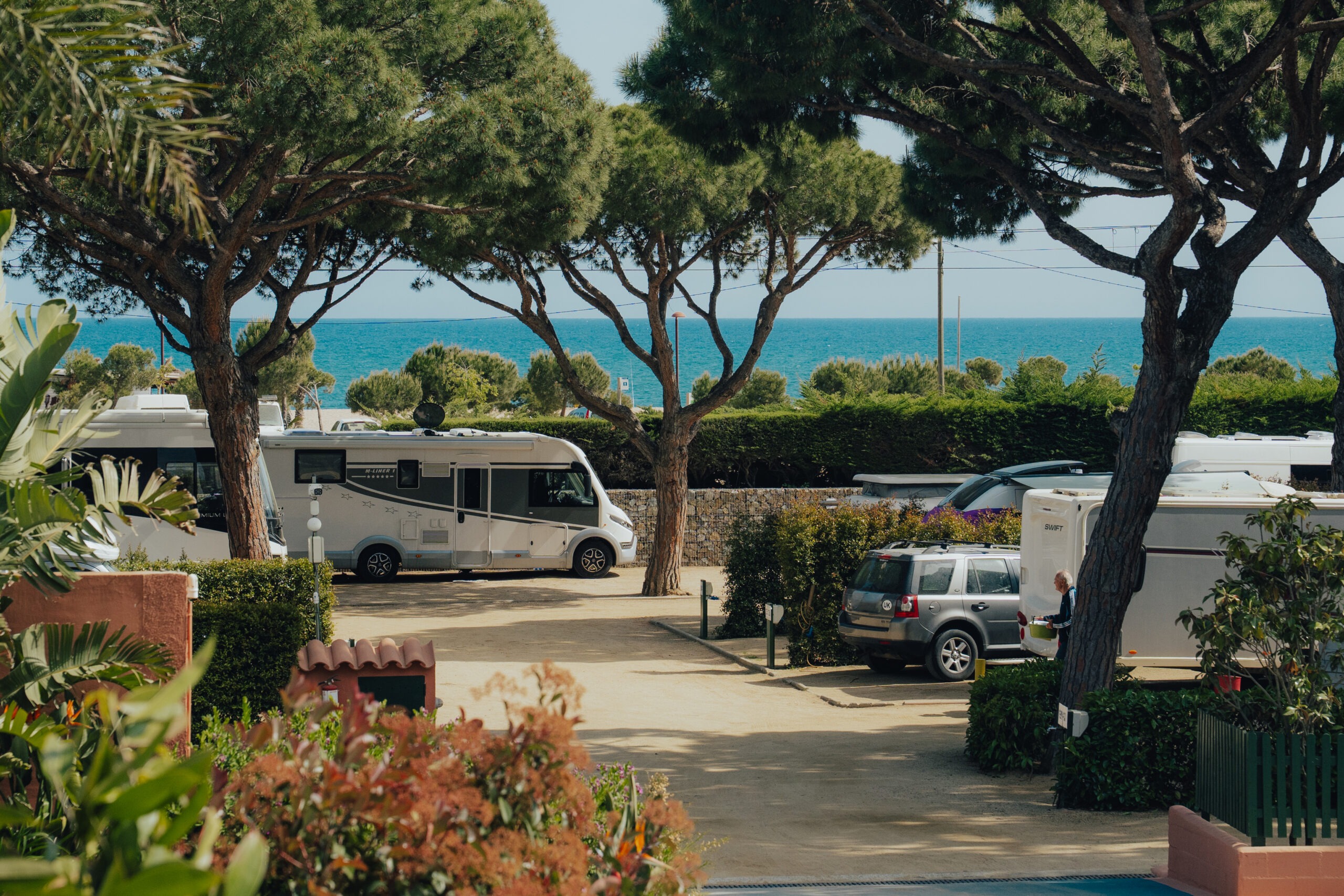
If you're traveling in the spring or fall, the Mediterranean coast is usually a very pleasant option. It's less crowded, the temperatures are milder, and it's more peaceful—perfect for enjoying the towns, taking walks, and spending sunny days by the sea.
In winter, coastal areas with good transportation links can also be excellent choices. Furthermore, in destinations like the Maresme, there are campgrounds open for much of the year—such as Camping El Toro Azul—which makes it easy to travel outside the peak season without having to give up the beach or convenient amenities along the way.
If you're in the mood for nature, the mountains, or the countryside, always check access routes, the weather forecast, and the services available during the off-season. Not all campgrounds, rest areas, or restaurants operate the same way year-round.
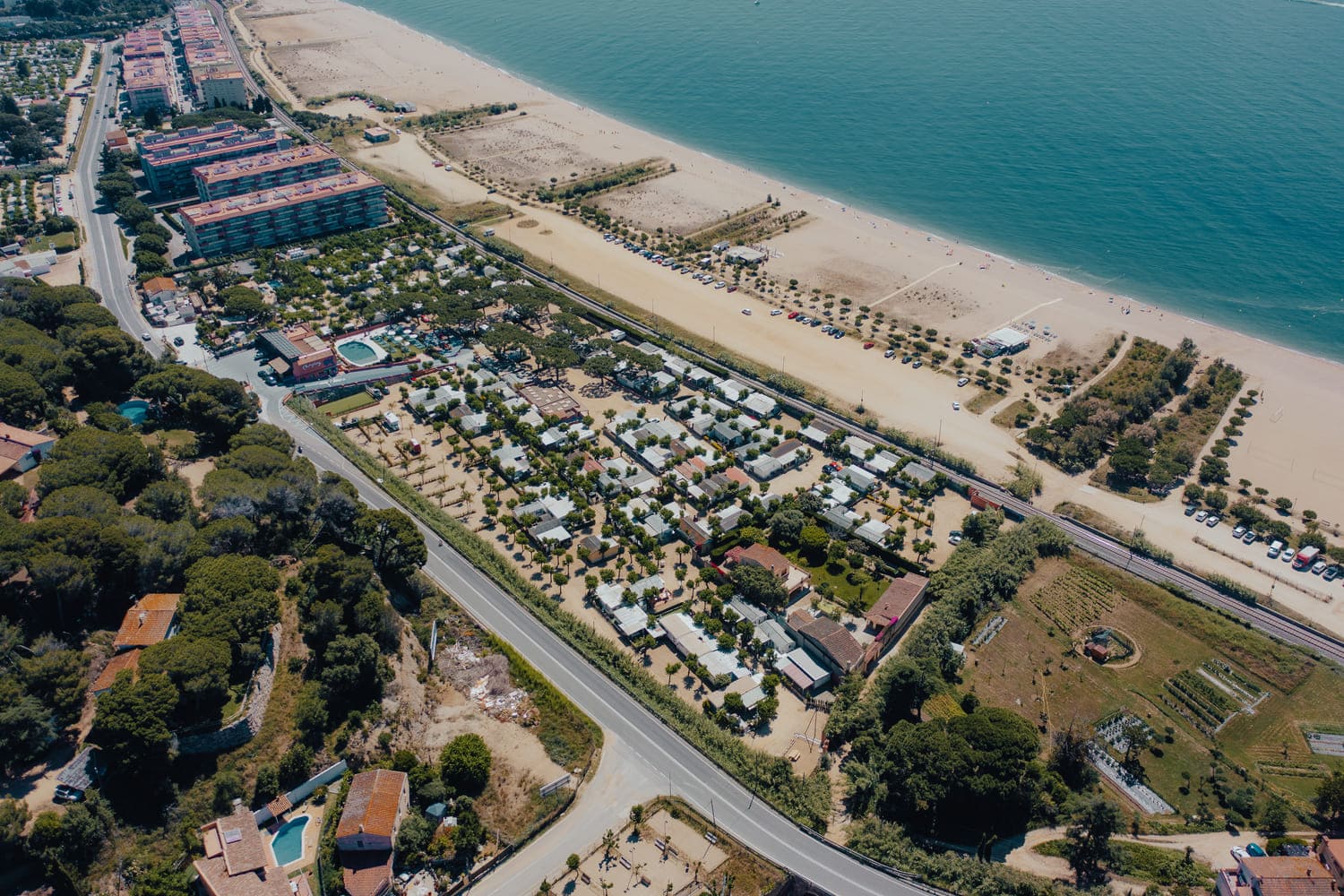
The Maresme: a charming spot near Barcelona
The Maresme Coast is a great fit for a motorhome tour of Spain, especially if you’re coming from France, traveling through Catalonia, or want to visit Barcelona without driving your vehicle into the city center. It also boasts 52 km of coastline and around 50 beaches—a figure that explains why this area is often a top choice if you’re looking for the sea and a pleasant place to stroll and unwind.
At Camping El Toro Azul in Arenys de Mar, you’ll find sites for caravans, campers, and motorhomes just a short walk from Platja del Cavaió, with amenities designed to help you relax, cool off, and continue your trip with peace of mind.
Choose Camping El Toro Azul and discover the Maresme Coast during your motorhome trip through Spain.